Decoding THT and SMT: Unveiling the Core Differences
Decoding THT and SMT: Unveiling the Core Differences
Introduction: The Significance of THT and SMT in Electronics
What is Through Hole Technology (THT)?
The Basics of Component Mounting in THT
Advantages and Disadvantages of THT
Typical Applications Dominated by THT
What is Surface Mounted Technology (SMT)?
An In-depth Look at How SMT Operates
SMT’s Edge over THT in Modern Manufacturing
Key SMT Application Areas
Head-to-Head Comparison: THT vs SMT
Physical Attributes and Component Sizes
Production Efficiency and Cost Implications
Performance and Reliability Metrics
Environmental and Design Considerations
Real-world Examples Illustrating the Choice
Case Studies in Consumer Electronics
Instances in Industrial and Military Applications
Future Trends: Where THT and SMT are Heading
Emerging Technologies Impacting THT and SMT
Predictions for Their Evolution in the Next Decade
Conclusion: Making the Right Choice for Your Project
Introduction: The Significance of THT and SMT in Electronics
In the vast and ever-evolving realm of electronics, the methods employed to assemble circuit boards are the foundation upon which our digital world is built. Through Hole Technology (THT) and Surface Mounted Technology (SMT) have been the two dominant forces in this arena for decades. From the simplest handheld gadgets to the most complex aerospace systems, understanding these technologies is crucial for engineers, manufacturers, and enthusiasts alike. This article delves deep into the differences and similarities between THT and SMT, providing you with the knowledge needed to make informed decisions in your electronics projects.
What is Through Hole Technology (THT)?
The Basics of Component Mounting in THT
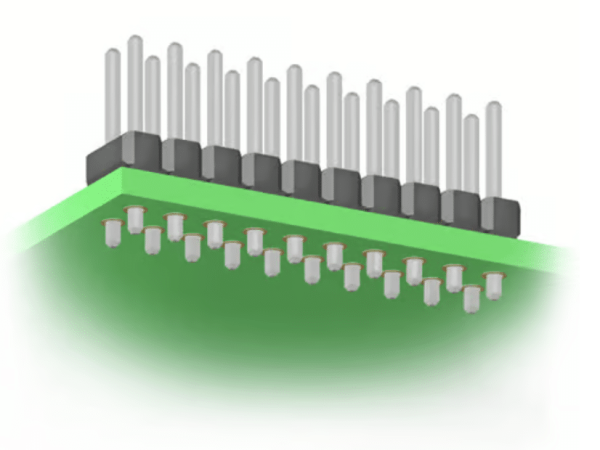
THT involves a relatively straightforward process. Components, which typically come with leads, are inserted through holes drilled in a printed circuit board (PCB). These holes are precisely sized to snugly fit the component leads. Once inserted, the leads are soldered on the opposite side of the PCB, creating a secure mechanical and electrical connection. This method has been around since the early days of electronics and was the go-to approach for assembling circuits. For example, a traditional transistor radio from the 1960s would have relied heavily on THT for its construction.
Advantages and Disadvantages of THT
One of the significant advantages of THT is its robustness. The through-hole connection provides excellent mechanical stability, making it suitable for components that might endure physical stress, such as those in automotive engines or industrial machinery control panels. Additionally, THT components are generally easier to handle and repair manually. However, THT has its drawbacks. It is a relatively labor-intensive process, especially when compared to SMT. The need to drill holes in the PCB adds to the manufacturing cost and time. Moreover, the larger component size and lead spacing limit the density of components that can be placed on a PCB, hindering miniaturization efforts.
Typical Applications Dominated by THT
THT still holds sway in certain industries. In the military and aerospace sectors, where reliability in extreme conditions is paramount, THT components are often preferred. Their ability to withstand vibrations, temperature fluctuations, and shocks makes them a reliable choice for mission-critical equipment. For instance, in a fighter jet’s avionics system, some of the key components might be assembled using THT to ensure long-term stability. Similarly, in heavy industrial settings like power plants, THT is used for control circuits that need to operate reliably for years without failure.
What is Surface Mounted Technology (SMT)?
An In-depth Look at How SMT Operates
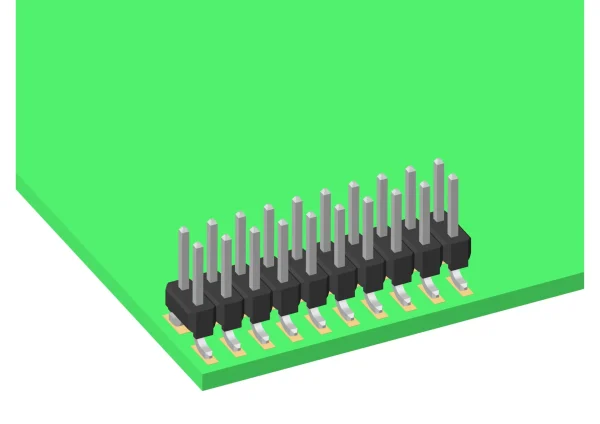
Surface Mounted Technology takes a radically different approach. Instead of inserting components through holes, SMT mounts them directly onto the surface of the PCB. Components are tiny, often with no protruding leads or extremely short ones. They are placed with pinpoint precision using automated pick-and-place machines. Once positioned, a solder paste is applied, and the PCB is subjected to a reflow soldering process. This heats the solder paste, causing it to melt and form a solid connection between the component and the PCB. A modern smartphone is a prime example of the power of SMT, with hundreds of minuscule components seamlessly integrated onto a tiny circuit board.
SMT’s Edge over THT in Modern Manufacturing
SMT has revolutionized electronics manufacturing in multiple ways. Firstly, it enables a much higher density of components on a PCB. This allows for the creation of smaller, more compact devices, which is essential in the consumer electronics market. Secondly, SMT is highly amenable to automation. Automated production lines can assemble PCBs at a staggering rate, significantly reducing production time and cost. Thirdly, SMT components generally have better electrical performance due to reduced lead inductance and capacitance, leading to improved signal integrity. This makes SMT ideal for high-speed digital circuits, such as those found in data centers and telecommunications equipment.
Key SMT Application Areas
Consumer electronics is the most prominent arena where SMT reigns supreme. Smartphones, tablets, laptops, and wearable devices all rely on SMT to achieve their sleek designs and high functionality. In the telecommunications industry, SMT is crucial for building base stations and network routers that can handle vast amounts of data at high speeds. Additionally, in the automotive sector, as cars become more like rolling computers, SMT is increasingly being used for in-vehicle electronics, from engine control units to infotainment systems.
Head-to-Head Comparison: THT vs SMT
Physical Attributes and Component Sizes
THT components are noticeably larger, with longer leads that protrude through the PCB. This not only takes up more space on the board but also limits the proximity of components to each other. In contrast, SMT components are miniature marvels, often barely visible to the naked eye. Their compact size and lack of long leads allow for a much tighter packing density, enabling the design of highly complex and miniaturized circuit boards.
Production Efficiency and Cost Implications
As mentioned earlier, THT is labor-intensive. Manual insertion of components and the need for drilling holes make it a slower and more costly production process. SMT, on the other hand, thrives on automation. Automated pick-and-place machines and streamlined reflow soldering processes can churn out PCBs at a rapid pace, slashing production costs per unit. For mass-produced items, the cost difference between THT and SMT can be significant.
Performance and Reliability Metrics
THT offers better heat dissipation due to the larger contact area between the component leads and the PCB. This is beneficial in power-hungry applications where heat management is crucial. However, SMT has made great strides in reliability. With advanced soldering techniques and quality control, the risk of solder joint failures has been minimized. SMT also provides better signal integrity, which is vital for high-speed digital circuits.
Environmental and Design Considerations
THT requires more raw materials, such as the copper used for component leads and the additional material for drilling holes in the PCB. This has environmental implications in terms of resource consumption. SMT, being more compact and using less material overall, has a relatively smaller environmental footprint. In terms of design flexibility, SMT allows for more innovative and complex circuit designs, while THT is somewhat limited by its need for holes and larger component spacing.
Real-world Examples Illustrating the Choice Case Studies in Consumer Electronics
In the development of a new smartphone model, the design team had to choose between THT and SMT. Given the need for a slim profile, high functionality, and mass production, SMT was the obvious choice. By using SMT, they were able to fit hundreds of components onto a tiny PCB, achieving a sleek design while keeping production costs low. However, for a retro-style handheld game console that aimed to mimic the look and feel of classic consoles, THT was selected. The robustness of THT components and the ease of manual repair were valued, even though it meant a slightly larger and heavier device.
Instances in Industrial and Military Applications
In a military-grade radar system, the designers opted for a hybrid approach. Power components, which generate significant heat, were mounted using THT for optimal heat dissipation. Meanwhile, the majority of signal-processing components, which required high speed and reliability, were assembled using SMT. In an industrial manufacturing plant, THT was used for control panels that needed to withstand harsh operating conditions, while SMT was employed for the automated production line’s control systems, where speed and efficiency were crucial.
Future Trends: Where THT and SMT are Heading Emerging Technologies Impacting THT and SMT
The advent of new materials, such as graphene and advanced ceramics, could potentially change the game for both THT and SMT. These materials might offer enhanced heat dissipation for THT components or enable even smaller and more reliable SMT components. Additionally, the rise of 3D printing of PCBs could revolutionize the manufacturing process, allowing for more complex geometries and potentially new ways to integrate THT and SMT.
Predictions for Their Evolution in the Next Decade
In the next decade, we can expect SMT to continue its dominance in consumer electronics and high-speed digital applications. However, THT will likely maintain its niche in industries where extreme reliability and robustness are required. There may also be a trend towards more hybrid assemblies, combining the best of both worlds to meet the demands of increasingly complex and specialized applications.
Conclusion: Making the Right Choice for Your Project
In conclusion, the choice between THT and SMT is not a one-size-fits-all decision. It depends on a multitude of factors, including the application’s requirements, production volume, cost constraints, and environmental considerations. By understanding the differences and similarities between these two technologies, you can make an informed choice that will ensure the success of your electronics project. Whether you’re building a cutting-edge smartphone or a critical military system, the knowledge of THT and SMT is your most valuable tool.
Remember, for more technical resources, product reviews, and the latest industry news related to electronics manufacturing, visit our website . And if you’re looking for components or tools for your THT or SMT projects, explore our product catalog. Stay informed and stay ahead in the exciting world of electronics.